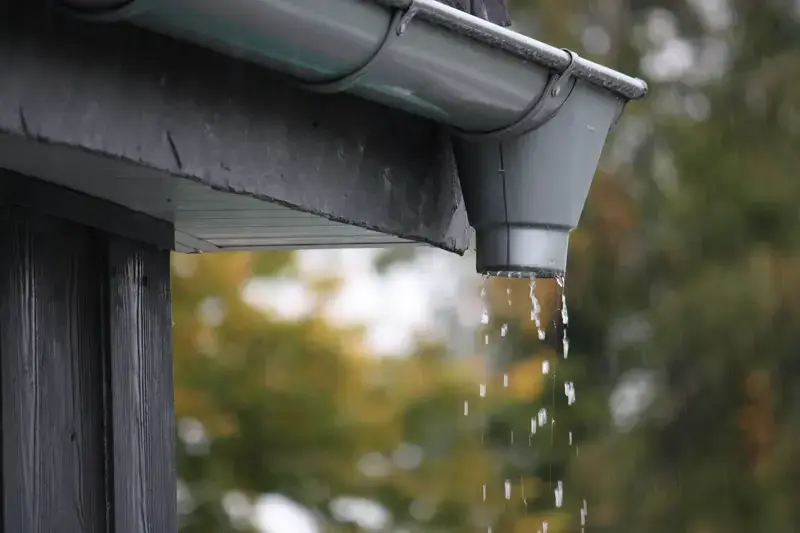
Gutters play an important role in protecting a home from rainwater damage. They collect water running off the roof and direct it toward downspouts, preventing it from accumulating around foundations, walkways, and landscaping. However, gutters cannot perform this job properly when leaves, twigs, pine needles, and other debris block their channels. Even a relatively small obstruction can interrupt water movement and create problems during heavy rainfall.
This is where gutter guards become useful. These protective systems cover the opening of a gutter and help prevent unwanted debris from entering while allowing rainwater to flow through. They are available in several designs, including mesh screens, surface-tension covers, foam inserts, and brush systems. Each option has its own construction, performance characteristics, and maintenance requirements.
Understanding different gutter guard types helps homeowners avoid choosing a product simply because it looks attractive or has a low purchase price. The right solution depends on roof construction, surrounding trees, rainfall intensity, and the amount of maintenance a homeowner is willing to perform.
Some systems are designed to capture very fine debris, while others allow larger leaves to slide away from the roof edge. Making an informed decision can improve drainage performance, reduce cleaning demands, and protect the property over the long term.
Why Choosing the Right Gutter Protection Matters
A gutter system is designed to manage rainwater in a controlled way. When it becomes clogged, water may overflow across the roofline, run down exterior walls, or collect near the foundation. Over time, repeated exposure to moisture can contribute to damaged fascia boards, soil erosion, basement dampness, and deterioration of exterior finishes.
Gutter guards provide an additional layer of protection by limiting the amount of debris entering the drainage channel. They are particularly useful for homes surrounded by mature trees, where seasonal leaf fall can make gutter cleaning a frequent task.
However, installing protection does not automatically solve every drainage problem. A gutter that has insufficient capacity, incorrect slope, loose connections, or blocked downspouts may continue to overflow even after guards are fitted.
The important consideration is how the guard works with the entire drainage system. For example, a home surrounded by pine trees may need a finer filtration system than a property where the main problem is large oak leaves. Similarly, a roof exposed to intense rainfall requires a guard that can accept water quickly without causing it to overshoot the gutter.
Selecting suitable gutter guard types can also reduce the risks associated with frequent ladder work. Homeowners still need inspections, but an effective system may make routine maintenance less demanding.
Understanding the Main Gutter Guard Types Available Today
The market offers several protective designs, and each uses a different method to separate rainwater from unwanted material. Understanding their construction makes it easier to compare performance rather than relying on advertising claims.
Micro-Mesh Guards for Fine Debris Protection
Micro-mesh guards use a very fine metal screen supported by a frame. Rainwater passes through tiny openings, while leaves, seeds, pine needles, and other debris remain on the surface.
Stainless steel is a popular choice because it offers strength and good resistance to corrosion. Aluminum frames are also common because they are lightweight and can provide structural support without adding excessive weight to the gutter system.
The main advantage of micro-mesh is its filtration capability. Unlike wider screens, fine mesh can block smaller particles that would otherwise enter the gutter. This makes it especially useful for homes surrounded by pine trees or properties where roof granules and airborne debris are common.
However, the fine openings need to remain clean. Pollen, dust, roof residue, and organic material can accumulate on the surface and reduce water intake. During heavy rainfall, a dirty or poorly designed mesh may struggle to accept water quickly enough.
According to This Old House’s 2026 gutter guard guidance, stainless steel micro-mesh systems are among the strongest-performing options in its product evaluations, particularly when supported by a rigid frame.
Surface-Tension Guards and Their Water-Flow Design
Surface-tension guards, also called reverse-curve gutter guards, use a different approach. Instead of filtering water through a screen, they guide rainwater along a curved cover and into a narrow opening.
The design relies on the tendency of water to follow a curved surface. As rainwater travels down the roof and reaches the guard, it follows the cover’s curve and enters the gutter. Larger leaves and heavier debris generally continue over the front edge and fall away.
This arrangement can reduce the amount of material entering the gutter. It also creates a relatively smooth exterior surface that does not have the same fine openings as a mesh screen.
However, performance depends on the curve, opening size, installation angle, and incoming water volume. During intense rainfall, fast-moving water may overshoot the opening instead of entering the gutter. Small debris can also travel along the water and enter the channel.
Surface-tension systems are therefore not automatically suitable for every roof. Their performance should be evaluated under the rainfall conditions experienced by the property.
Screen Guards for Everyday Leaf Management
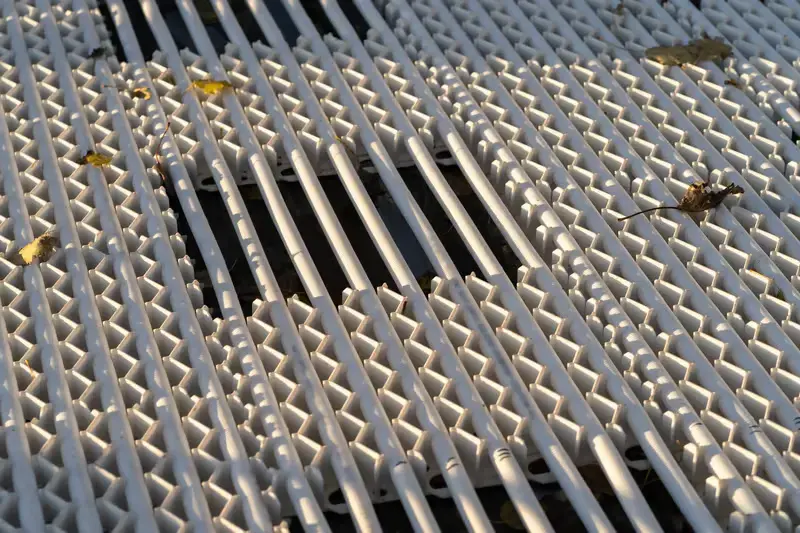
Screen guards are among the simpler protective options. They consist of panels with openings that sit across the top of the gutter. These openings allow rainwater to enter while catching larger debris.
They are commonly made from aluminum, plastic, or other weather-resistant materials. Some designs use perforated metal, while others feature a grid-like structure.
Their biggest advantage is simplicity. Screen panels are generally lightweight, relatively affordable, and easier to fit than more complicated protective systems.
They can work well in areas where the main problem is large leaves and twigs. However, their wider openings may allow smaller debris, such as pine needles, seeds, and roof granules, to enter the gutter.
Another consideration is the material’s strength. Thin plastic screens can become brittle after prolonged exposure to sunlight, while poorly secured panels may lift during strong winds.
Foam and Brush Inserts for Simple Gutter Coverage
Foam guards are porous inserts placed directly inside the gutter. Their open structure allows water to pass through while larger debris remains on top.
They are attractive to homeowners who want a relatively simple installation without extensive fastening or structural changes. Foam inserts can also be trimmed to fit different gutter lengths.
Their limitation is that small particles may become trapped inside the material. Organic debris, moisture, and airborne seeds can gradually accumulate in the pores. In shaded or damp environments, this can encourage unwanted plant growth and make cleaning more difficult.
Brush guards use cylindrical bristles positioned inside the gutter. Rainwater moves around the bristles, while leaves and larger material become caught on their surface.
They are easy to install and remove, but debris can become tangled in the bristles. This means the inserts need regular cleaning rather than simply allowing all material to fall away.
These designs can be convenient for straightforward situations, but homeowners should consider their maintenance demands before selecting them.
Mesh vs. Surface Tension: What Separates Their Performance?
When comparing gutter guard types, mesh and surface-tension systems deserve particular attention because they use fundamentally different methods to manage water and debris.
Micro-mesh works through filtration. It allows water to pass through a fine barrier while preventing smaller debris from entering the gutter. Surface-tension guards rely on water movement across a curved surface, allowing heavier debris to move beyond the gutter opening.
Neither design is universally superior. The right choice depends on the property’s specific drainage conditions.
Debris Filtration and Water Intake
Micro-mesh generally offers better protection against fine debris. This is valuable in locations where pine needles, small seeds, roof granules, and pollen create regular gutter problems.
Surface-tension covers are particularly effective at shedding larger leaves and similar material. However, their narrow entry opening may allow smaller particles to travel into the gutter with the water.
Water intake is equally important. A guard must accept enough rainwater to match the roof’s runoff during heavy storms. A fine screen that becomes covered with dust or pollen may experience reduced flow. A surface-tension cover may also struggle when the incoming water moves too quickly.
Maintenance and Cleaning Requirements
Both designs require occasional maintenance, but the cleaning process differs.
Micro-mesh usually needs periodic surface cleaning to remove accumulated dust, pollen, and organic residue. Its internal gutter channel may remain relatively clean, depending on the installation and surrounding conditions.
Surface-tension guards generally allow larger debris to move away naturally. However, the front opening and curved surface still need inspection to ensure that water can enter freely.
The important point is that protective covers reduce debris accumulation rather than eliminating maintenance altogether.
Durability and Installation Complexity
High-quality micro-mesh systems with stainless steel screens and rigid aluminum frames can provide strong long-term performance. Their durability depends on material quality, fastening arrangements, and exposure to environmental conditions.
Surface-tension guards are often made from formed aluminum or other rigid materials. Their construction can be durable, but correct positioning is essential because water must follow the intended curve.
Micro-mesh systems can be easier to adapt to certain existing gutter arrangements. Surface-tension covers may require more careful fitting and compatibility checks with the roof edge.
A professional assessment is useful when the home has unusual roof angles, damaged fascia, or an older gutter system.
How Roof Design and Surroundings Influence Your Choice
The best protection system should be selected according to the environment rather than appearance alone. Even high-quality products can perform poorly when installed in unsuitable conditions.
Roof pitch is one important consideration. Steeper roofs can deliver water to the gutter at higher speeds, particularly during intense rainfall. A guard with a restricted entry opening may struggle if it cannot accommodate the incoming volume.
Gutter dimensions also matter. Standard residential gutters may not provide the same water capacity as larger systems. Installing a guard that reduces effective intake can create problems when roof runoff increases.
The surrounding landscape is another major factor. Homes near pine trees may experience continuous needle accumulation, while properties beneath broadleaf trees may face heavier seasonal leaf fall. Homes in open areas may receive more airborne dust, pollen, and small particles.
Roof valleys can create additional challenges. These areas concentrate runoff into relatively narrow sections of the gutter. A guard that performs well along a straight roof edge may not manage concentrated valley flow equally effectively.
For example, imagine a home with a large roof and several mature trees nearby. The owner installs a basic screen because it is affordable. Large leaves remain outside, but smaller needles continue entering the gutters. A micro-mesh system may be more appropriate for this situation, provided its water capacity and maintenance needs are suitable.
Considering these conditions before choosing gutter guard types helps prevent expensive replacement work later.
Materials, Construction Quality, and Long-Term Reliability
A gutter guard’s performance depends not only on its design but also on the materials used to manufacture it. Two products may look similar while having very different resistance to corrosion, physical stress, and environmental exposure.
Aluminum, Stainless Steel, and Polymer Components
Aluminum is widely used because it combines relatively low weight with good corrosion resistance. It can be shaped into different guard profiles and is commonly used for frames and perforated screens.
Stainless steel offers greater structural strength and is particularly useful for fine mesh. It resists corrosion under normal environmental conditions, although the exact performance depends on its grade and exposure to corrosive substances.
Plastic and polymer products are generally more affordable. They can be useful for simple installations, but prolonged ultraviolet exposure and temperature changes may gradually affect their strength and flexibility.
A homeowner should consider the entire construction rather than focusing only on the visible screen. A strong stainless steel mesh attached to a weak frame may still sag or become damaged.
Fastening Systems and Compatibility With Existing Gutters
The attachment method affects stability and long-term performance. Some guards rest on the gutter edge, while others use screws, clips, or brackets for additional support.
Before selecting a system, inspect the existing gutters. Loose hangers, rust, leaking joints, and damaged fascia should be addressed before protective covers are installed.
Roof compatibility also matters. Certain surface-tension products are designed to connect with the roof edge, and some installation methods involve positioning components beneath roofing materials. Homeowners should confirm that the method does not compromise shingles, flashing, or the manufacturer’s roof warranty.
Quality installation should maintain the gutter’s intended slope and avoid restricting the downspout connection.
Comparing Installation Costs and Lifetime Value
Price is often a deciding factor, but the cheapest product is not necessarily the most economical choice over time.
The cost of gutter guard types varies according to material, construction, installation method, and the total length of the gutter system.
For a general US market reference, consumer cost guides and product evaluations place many basic screen and insert products below professionally installed micro-mesh and surface-tension systems. Some micro-mesh products have material prices around $2.75 to $5 per linear foot, while installed systems can cost considerably more.
These figures are illustrative rather than fixed quotations. Regional labor costs, gutter condition, roof accessibility, and product quality can change the final price.
Understanding Initial Installation Expenses
DIY screen, foam, and brush products generally require a smaller initial investment. They may be suitable when the existing gutters are in good condition and the installation is straightforward.
Professionally fitted micro-mesh and surface-tension systems can cost more because they may involve custom measurements, additional fastening, roofline adjustments, and specialized labor.
If the existing gutters are damaged, replacement or repair should be included in the project budget. Installing guards over a poorly functioning gutter system will not provide a reliable long-term solution.
Evaluating Long-Term Savings
The real value of a guard comes from its performance over several years.
A low-cost foam insert may seem attractive initially, but frequent removal, cleaning, and eventual replacement can increase ownership costs.
A more durable metal system may require a higher initial payment but reduce routine maintenance and replacement frequency.
Homeowners should also consider the value of safer maintenance. Reducing the need for repeated ladder work can be an important benefit, especially for properties with multiple stories or difficult roof access.
When evaluating gutter guard types, compare the expected maintenance requirements, material lifespan, warranty conditions, and installation quality rather than relying on the purchase price alone.
Installation and Maintenance Decisions That Affect Results
Even a well-designed guard can fail to perform properly if it is installed over dirty or damaged gutters.
The first step should always be a thorough inspection and cleaning. Existing leaves, sediment, roof granules, and downspout blockages should be removed before the protective system is fitted.
The installer should then check gutter alignment, fastening points, and water flow. Guards must fit securely without creating gaps where debris can enter. Sections should also connect properly to prevent loose edges or openings.
After installation, a controlled water-flow test can help identify obvious problems. Water should enter the gutter and travel toward the downspout without unexpected overflow.
Seasonal inspections remain important. After periods of heavy leaf fall, homeowners should check whether debris has accumulated on the surface. Following intense storms, inspect fasteners, joints, and exposed sections for damage.
Micro-mesh may need occasional rinsing or gentle brushing, while brush and foam inserts can require removal for more thorough cleaning. Surface-tension guards should be checked around their water-entry openings.
According to This Old House’s maintenance guidance, micro-mesh and reverse-curve guards still benefit from periodic inspections, while brush and foam systems may require more frequent cleaning.
Proper maintenance is not an optional extra. It helps preserve the drainage capacity of the entire system.
Expert Advice for Selecting the Most Suitable Gutter Guard
Choosing between different gutter guard types becomes easier when the decision starts with the actual problem.
For homes surrounded by pine trees, fine mesh is often a sensible starting point because its small openings can prevent needles and smaller debris from entering the gutter. However, the frame should be strong enough to support the screen, and the product should have adequate water-intake capacity.
For properties that mainly experience large leaves, a quality screen or surface-tension cover may offer practical protection. The decision should account for rainfall intensity and the roof’s runoff pattern.
Homeowners with limited maintenance time should look beyond marketing promises. No gutter guard is completely maintenance-free. Dust, pollen, roof residue, and organic material can accumulate even when leaves cannot enter the gutter.
It is also important to evaluate the manufacturer’s performance claims. Ask whether the product has been independently tested, whether the testing reflects realistic water flow, and what conditions apply to its warranty.
An interesting example comes from testing conducted by the Building Research Establishment under the principles of BS EN 12056-3:2000. In one comparative test, a baseline gutter flow rate of 120 litres per minute was recorded. A brush product reduced the flow to 60 litres per minute, while a rigid plastic flat mesh product reduced it to 100 litres per minute. The results demonstrate why water capacity should be considered alongside debris protection. However, these figures apply to the tested products and conditions, not every brush or mesh system.
Professional advice is especially valuable when a property has complex roof geometry, unusually heavy rainfall exposure, or existing drainage issues.
Making a Confident Choice for Better Gutter Protection
Selecting a gutter guard is ultimately about balancing protection, water capacity, durability, and maintenance. Every design has strengths, but its suitability depends on the conditions around the home.
Micro-mesh offers fine filtration and can be particularly useful where small debris creates frequent blockages. Surface-tension covers use a curved design to guide water into the gutter while shedding larger material. Screen guards provide straightforward protection against leaves, while foam and brush inserts offer simpler installation at the expense of more frequent maintenance in many environments.
The best gutter guard types are not necessarily the most expensive or heavily advertised products. They are the systems that match the property’s roof design, local weather, surrounding vegetation, and drainage requirements.
Before making a purchase, inspect the existing gutters, identify the main source of debris, and compare the water-flow capacity of available products. Consider professional installation when roof access or fitting requirements make the work complicated.
A carefully selected and properly installed guard can make gutter maintenance more manageable, reduce the risk of blockages, and help protect the home from preventable rainwater damage. The goal is not simply to cover the gutter. It is to keep the entire rainwater drainage system working reliably through changing seasons.
Frequently Asked Questions
Which gutter guard type is best for pine needles?
Micro-mesh guards are generally a strong choice because their fine openings prevent many small needles from entering the gutter.
Are surface-tension gutter guards better than mesh guards?
Neither is universally better; the right option depends on rainfall, debris, and roof design.
Do gutter guards eliminate cleaning?
No, periodic inspection and cleaning remain necessary.